www.hypersmash.com

تابعنا على شبكاتنا الإجتماعية

This is default featured post 1 title

Go to Blogger edit html and find these sentences.Now replace these sentences with your own descriptions.This theme is Bloggerized by Lasantha Bandara - Premiumbloggertemplates.com.

This is default featured post 2 title

Go to Blogger edit html and find these sentences.Now replace these sentences with your own descriptions.This theme is Bloggerized by Lasantha Bandara - Premiumbloggertemplates.com.

This is default featured post 3 title

Go to Blogger edit html and find these sentences.Now replace these sentences with your own descriptions.This theme is Bloggerized by Lasantha Bandara - Premiumbloggertemplates.com.

This is default featured post 4 title

Go to Blogger edit html and find these sentences.Now replace these sentences with your own descriptions.This theme is Bloggerized by Lasantha Bandara - Premiumbloggertemplates.com.

This is default featured post 5 title

Go to Blogger edit html and find these sentences.Now replace these sentences with your own descriptions.This theme is Bloggerized by Lasantha Bandara - Premiumbloggertemplates.com.

Showing posts with label arabic. Show all posts

Wednesday, April 24, 2013

الفصل الثاني السوق the market place


الفصل الثاني 
في هذا الفصل بدء الكاتب يتكلم بشكل عام عن الاشياء الى اعتاد الناس انهم يتعاقبو عليها في هذيك الفترة فمثلاُ طفل او عبد عاصي يقدم للحكومة حتى يجلد ويصبح عاقل ويمتثل للأوامر او شخص مخالف لدينهم او معتقداتهم .كان عندهم الدين و القانون شي واحد واى خروج عن اعراف المجتمع يعتبر خطيئة يجب العقاب عليها . وكان الناس وقت العقاب تنظر للمعاقب نظرات باردة من غير أى تعاطف وبالمقابل بالنسبة لهم العقاب الى فيه اسائة وشتم أسوأ من القتل .
بعدين بدء يشرح الفرق بين النساء مواليد برطانيا و الأجيال الجديدة الى اتولدت فى بوسطن وقال كل امراءة أورثت بنتها جمال أقل وأخلاق أقل فالنساء الى فى بوسطن لاينتمون للأنوثه بشي ووصفهم على انهم حامد ولد
Man like Elizabeth
بعدين بدء الكاتب ينقل الاشياء الى صارت فى السوق{الماركت بليس}
إمرأة فى الخمسينيات من العمر قالت: نحنا نساء الكنيسة المحترمات لو أعطينا الحق في الحكم عليها ماكنا راح نحكم بحكم زي كذا هذه العقوبة بمثابة مكافئه لها على الى عملته.
إمراءة اخرى قالت: إن ديموزديل مستاء جداً إن الشي دا حصل في الناس التابعين له
وأخرى قالت: رجال الكنيسة ناس يخافون الله لكنهم رحمين اكثر من اللازم المفروض يختمو على جبينها الحرف مو بس تلبسه لانه بكل بساطة ممكن تغطية وتمشى في الطريق بكل جرئه
إمرأة أخرى كانت تحمل طفلها قالت : حتى لو غطته راح تفضل شايله العار فى قلبها للأبد.
إمرأة أخرى قالت: ليش نتكلم عن الرموز و العلامات هذى الاشياء ماهى مهمة الاهم انها انفضحت
وأبشع وحده بينهم قالت: هذى المرأة جلبت العار ولازم تموت ولم يعجبها العقاب وانتقدت رجال الكنيسة و قالت ليشكرو أنفسهم لما بناتهم ونسائهم يرتكبو هذى الجريمة
فى هذه اللحظه فى رجل كان واقف جمبهم وسامع الكلام سكتهم وقالهم يكفى انتو ماعندكم رحمة! ماعندكم أخلاق!
في هذه اللحظه باب السجن انتفح و السجان خرج وكان يحمل سيف وعصا وكان يضع يده على كتف هستر براين لكنها نزعت يده من عليها بكل كبرياء وكئنها خارجة من السجن ذاهبة لمصيرها بمحض ارادتها وكئنها قد اتخذت هذا القرار بنفسها كانت تحمل في يدها طفل عمره ثلاثة شهور وضوء النهار آذى عينيه لانه منذ ولادته ماشاف غير ظلام السجن. ام الطفل وقفت وسط الجمهور واول شي سوته انها ضمت الطفل لصدرها بقوة ليس من باب العاطفة ولكن عشان تغطى حرف الإيه الى هى لابسته.الحرف الى كانت لابسته كان جميل و جذاب ومحاك بطريقة رائعة ومتقنة .الكاتب بدء يوصف هستر براين بأنها إمرأءة يافعه طويلة ذات ذوق رفيع شعرها اسود وغزير ولامع يعكس ضوء الشمس وعينيها لونها اسود. الناس كانو يتوقعو هستر تخرج مكتئبة لكنهم اتفاجئو لما شافوها تخرج بجرئه و اندهشو من جمالها مع انهم يعرفوها قبل كذا وكان فوق راس هستر هالة من المئساة. يقول الكاتب ان الشخص الحساس راح يلاحظ إن ابتسامتها أظهرت عزيمة روحها و جموحها و وصف روحها بأنها جامحة.
الناس الذين شاهدو هستر الآن على الرغم من أنهم شاهدوها من قبل إلا أنهم اندهشو من جمال الحرف وروعته ومظهرها هذا جعلها تبدو في مكانة ارفع واعلى من غيرها من شدة رقيها. إمرأة بين الحضور مدحت مهارتها فى الحياكة وكيف انها تتفاخر بالفضيحة الى فعلتها بحياكتها للحرف بمهارة. واحدة ثانية قالت لازم ناخذ الفستان الى هى لابسته ونعطيها شي يناسب الحقارة الى هي فيها و واحدة ثانية قالت لا تخلوها تسمعكم لان كل غرزة غرزتها فى هذا الحرف هى غرزتها فى قلبها كان كلام هذى المرأة من باب التعاطف و الشفقة. السجان نادى فى الناس: ابعو باسم الملك وانا اوعدكم ان هستر راح تكون فى مكان يراها فيه كل رجل وإمرأة وطفل فى بوسطن وسترون مظهرها الشجاع من هنا لساعة بعد منتصف النهار. ونادى على هستر براين قالها خلى الناس تشوف الحرف .أصبح هناك ممر وسط الجماهير وتقدمها السجان و كان في ناس اشكالها غريبة مشيت هستر للمكان المحدد للعقاب وكان هناك مجموعة من الطلاب كانو متواجدين من غير مايفهمو اش الموضوع بالضبط وكانو يطالعو لملابس هستر وللطفل .ماكان فى مسافة كبيرة بين السجن و مكن العقاب مع هذا هستر حست انها مسافة طويلة وكانت كل خطوة تخطوها تحس فيها بالالم وكئن قلبها مرمى على الارض والناس تدعس عليه. وقفت هستر على مكان العقاب وقال الكاتب انه مافى شي ابشع من انهم مايغطو وجشه الشخص المعاقب وكئن الشي دا جزء من العقاب.في حالة هستر وقفوها على المنصة من غير ماتغطي وجهها ولايربطو يداتها ولو في احد كاثوليكى مر وشاف هذا المنظر كان افتكر لوحة العذراء مع انه هنا الوضع معكوس لان العذراء جابت الطفل الذى أنقذ البشرية لكن هستر جابت الطفل الى راح يدمرها. وقفت هستر قدام الآلاف وكلهم كانو يطالعو فيها الموقف كان فوق احتمال اى شخص وحاولت تحمى نفسها من كل انواع الاهانات كانت ترد على كل اهانة بابتسامة
لكن الموقف ماكان يحتمل وكان ممكن تتجنن فى اى لحظه وفى لحظات المنظر الى قدامها اختفى وهى تفتكر مشاهد كان يظهرها عقلها كرد فعل دفاعي. كانت تشوف نفسها وهى صغيرة و وتشوف وهي فى الوسترن وايلد واتذكرت طفولتها وايام الدراسة و المشاكل الى كانت تصير بينها وبين الاطفال التانيين وكئن كل هذه الذكريات مهمة وعقلها احضرها لها ليحميها من صعوبة الموقف. وكمان شافت بيتها و كيف كان صغير و لكن الفروع الى على الباب كانت تعطيه جمال وشافت ابوها براسه الاصلع و أمها الى كانت تنظر اليها بحنان.وكمان جلست تتذكر المبانى و الكناس وكلها كانت تصورات لحياة قديمة عاشتها مع شخص وفى الاخير كل الذكريات راحت و رجعت للماركت بليس وادركت ان كل هذى احلام وانها لسه واقفه فى مكان العقاب وفى طفل على ايدها وفى حرف على صدرها

شرح رواية الحرف القرمزي كامل


الفصل الاول

في البداية يوصف السجن وتجمع الناس
A large crowd of puritans stands outside of the prison, waiting for the door to open. This prison is described as a, “wooden jail already marked with weather-stams and other indications of age which gave a yet darker aspect to its beetle-browed and gloomy front” the iron on the prison is rusting and creates an overall appearance of decay.
بعد ماوصف تجمع الناس قدام الباب السجن وصف حالة السجن{الكلام المكتوب فوق هو وصف السجن} طبعاً الناس كانت واقفه قدام باب السجن منتظره إنه ينفتح وباب السجن كان خشبي والحديد الى فيه كان مصدي بسبب عوامل التعرية. بعدين بدء الكاتب يتكلم انه كيف اول مايبنو مستعمره جديدة لازم يسوى مقبرة وسجن وبناء على هذه القاعدة الأجداد مؤسسين مدينة بوسطن حددو مكان المقبرة و السجن في نفس الوقت . المقبرة كانت فى ارضية شخص اسمه 
} Isaac Jons{
والمقبرة هذى مع مرور الزمن صارت مركز المدينة وساحة للكنيسة.بعد حوالى خمسة عشر سنة من بناء المدينة الباب الخشبي بدئت تظهر عليه عوامل التعرية .بدء الكاتب يوصف المنظر الى قدام باب السجن كيف كان كله اشجار معفنة وشكلها بشع عشان يعطى للقارئ صورة قبيحة انه هذى الرواية مافيها شي حلو او ممتع وفي نفس الوقت كان في ازهار برية جميلة الشكل
Buton one side of the portal and rooted almost at the threshold, was a wild rosebush, covered in this month of June, with its delicate gems which might be imagined to offer their fragrance and fragile beauty to the prisoner as he went in, and to the condemned criminal as he come forth to his doom in taken that the deep heart of nature could pity and be kind to him.
يقول الكاتب انه هذى الازهار البرية الجميلة تعطى شكل جميل للسجن وكئنها نوع من شفقة الطبيعة على السجين الى داخل للسجن او السجين الى طالع منه لعقوبة الاعدام وهذه الازهار يقال انها نبتت تحت موضع قدم القديسة آن هوستن الى قتلوها البيورتان لانها كانت مخالفة لعاداتها 
It had sprung up under the footsteps of the sainted Ann Hutchinson.


Monday, April 22, 2013

بحث عن اللغات الاسكندنافية + مصادر


الاسكندنافية (اللغات ـ)
اللغات الاسكندنافية Scandinavian Languages مجموعة لغات تنتمي إلى الفرع الشمالي من اللغات الجرمانية[ر] North Germanic ضمن أسرة اللغات الهندية ـ الأوربية[ر]. وتشتمل هذه المجموعة على اللغات الإيسلندية والسويدية والدنماركية والنروجية والفيروية Faeroese. وتدعى أيضاً مجموعة اللغات الجرمانية الشمالية، أو اللغات التيوتونية الشمالية. تقسم هذه اللغات عادة إلى مجموعتين: المجموعة الاسكندنافية الشرقية (الدنماركية والسويدية) والمجموعة الاسكندنافية الغربية (النروجية والإيسلندية الفيروية)، وتعد اللغة الإيسلندية واللغة الفيروية من أكثر اللغات الاسكندنافية محافظة على الأصل إذ ما زالتا تحتفظان بالكثير من الكلمات والتراكيب اللغوية من اللغة الاسكندنافية الأم. ويتعذر فهم هاتين اللغتين على الناطقين بباقي اللغات الاسكندنافية، في حين يستطيع الدنماركيون والسويديون والنروجيون التفاهم من دون صعوبة كبيرة بالكتابة أو بالتخاطب إذ تحتوي لغاتهم على كلمات مشتركة وخصائص لغوية متشابهة.
ولعل الصفة المشتركة بين كل اللغات الاسكندنافية أن أداة التعريف تأتي بعد الكلمة لا قبلها كما في اللغة العربية أو اللغة الإنكليزية مثلاً.
يعود تاريخ أقدم دليل مكتوب على أية لغة جرمانية إلى الحقبة التاريخية بين عامي 200 و600 ميلادية إذ وجد نحو 125 رقيم مكتوب بالألفبائية الرونية القديمة Runic Alphabet. وقد وجدت معظم هذه اللوحات في اسكندنافية، ووجد القليل منها أيضاً في جنوب شرقي أوربة مما يدل على أن القبائل الجرمانية الأخرى كانت تستعمل الأبجدية الرونية. ومعظم هذه اللوحات صغيرة تتعلق بالملكية أو ببعض التعويذات السحرية، وبعضها كتب لتخليد الموتى.
وقد حافظت هذه الرُقم المنقوشة على الصوائت غير المشددة التي انتقلت إليها أصلاً من اللغات الجرمانية والهندية ـ الأوربية، والتي اختفت فيما بعد في اللغات الجرمانية التي تلتها أو التي تفرعت عنها، وتدعى هذه اللغة الرونية عادة باللغة الاسكندنافية الأم Proto -Scandinavian ويمكن عدها انعكاساً لحقبة تعرف بالجرمانية الغربية الشمالية.
ولايمكن الحديث عن لغة اسكندنافية صافية أو لهجة جرمانية شمالية خالصة إلا بعد رحيل قبائل الأنجلز Angles والجوت Jutes إلى إنكلترة، وبعد عدّ نهر إيدرEider الحد الفاصل بين الاسكندنافيين والجرمان.
امتدت حقبة اللغة الاسكندنافية الأم من عام 500 إلى عام 700 بعد الميلاد، إذ بقيت النهايات والصوائت الجرمانية على حالها تقريباً. وقد طرأ الكثير من التغيرات الفونولوجية مع نهاية هذه الحقبة واستمرت في المدة التي تلتها والتي عرفت بالاسكندنافية العامة Common Scandinavian.
وتمتد حقبة الاسكندنافية العامة من عام700 إلى عام 1050م، وقد اكتملت في هذه الحقبة التغيرات التي طرأت على اللغة في نهاية الحقبة الماضية. وحملت التوسعات التي قام بها الفايكنغ هذه اللغة إلى نورماندي و الدانلو Danelaw الإنكليزي (المناطق الشمالية والوسطى والشرقية من إنكلترة التي خضعت لاستعمار الفايكنغ في القرن التاسع) والأوركنيز Orkneys، وشتلند Shetland وجزر الهيبرديز Hebrides وإيرلندة وجزيرة مان Isle of Man وإيسلندة وغرينلند وإلى الممالك السويدية في روسية. إلا أن هؤلاء الفايكنغ ذابوا في شعوب المناطق التي احتلوها في القرون التي تلت فيما عدا إيسلندة. وأهم آثار هذه الحقبة 4000 رقيم منقوشة بالألفبائية الرونية المتأخرة التي تتألف من ستة عشر حرفاً.
وفي هذه الحقبة كان بمقدور الاسكندنافيين التواصل دونما صعوبة تذكر، وكانوا يعدون لغاتهم لغة واحدة؛ إلا أن امتداد الممالك المختلفة للفايكنغ أدى إلى نشوء فوارق في اللهجات. ويمكن في هذه الحقبة التفريق بين لهجة اسكندنافية غربية محافظة (النروج ومستعمراتها وبوجه خاص إيسلندة) ولهجة اسكندنافية شرقية أكثر ابتكاراً (الدنمارك والسويد).
تمتد الحقبة الاسكندنافية القديمة حتى عام 1450 إذ كان لتأسيس الكنيسة المسيحية الكاثوليكية في القرنين العاشر والحادي عشر أثره اللغوي الواضح. فقد ساعدت الكنيسة في تدعيم الممالك القائمة، وأدخلت المناطق الاسكندنافية في مجال الحضارة الأوربية الاتباعية (الكلاسيكية)، كما  أدخلت الكتابة  بالأحرف اللاتينية. وقد ظلت الكتابة الرونية مستخدمة في النقش على التماثيل وفي الرسائل الموجهة إلى عامة الشعب. أما الكتابة الأدبية فقد استخدمت الأبجدية اللاتينية.
ولعل أقدم المخطوطات تلك التي تعود إلى سنة 1150في النروج  وإيسلندة، وإلى سنة 1250في الدنمارك والسويد، وأول الأعمال المهمة التي تم تدوينها: القوانين الشفهية، ثم تلتها ترجمات من الفرنسية واللاتينية كالأناشيد الدينية والملاحم. وربما كان لهذه الترجمات أثرها الكبير في الازدهار العظيم في الأدب المحلي. ولاسيما في إيسلندة ولم تكن اللغات الاسكندنافية منفصلة تماماً في هذه الحقبة بعضها عن بعض، ومع ذلك فمن المعتاد أن تميز فيها خمس لغات هي الإيسلندية القديمة والسويدية القديمة والنروجية القديمة والدنماركية القديمة والغتشية القديمة Gutnish على أساس بعض الاختلافات البسيطة في عادات الكتابة.
كانت بعض الكلمات قد بدأت بالتسرب إلى اللغات الاسكندنافية منذ زمن بعيد ككلمة caupöِ وتعني التاجر وvinum وتعني الخمر، إلا أن الموجة الكبيرة الأولى من الكلمات التي غزت اللغات الاسكندنافية جاءت من الكنيسة وترجماتها في القرون الوسطى، وكانت اللغات الجرمانية الأخرى وسائط هذا الغزو فقد كان معظم المبشرين الأوائل من الإنكليز والجرمان. كما استعارت اللغات الاسكندنافية بعض التعابير الدينية من اللغات الجرمانية الأخرى، ومن هذه الكلمات مثلاً كلمة helviti وتعني «الجحيم» المأخوذة من اللغة الساكسونية القديمة helliwiti أو الإنكليزية القديمة hellewite. أما التأثيرات غير الدينية فقد أتى معظمها من اللغة الألمانية الوسطى الدنيا بفضل الهيمنة التجارية والتأثيرات السياسية القوية للدول الألمانية في بلاطات الدنمارك والسويد بين عامي 1250 و1450. كما وجدت في المدن التجارية الاسكندنافية الرئيسة مجموعات سكانية كبيرة تتحدث اللغة الألمانية الدنيا. وقد أدى وجودها إلى إدخال كلمات كثيرة وتعابير لغوية إلى اللغات الاسكندنافية، فكان تأثيرها مشابهاً إلى حد ما تأثير الفرنسية في الإنكليزية بعد الغزو النورماندي.
يمتد عصر النهضة والإصلاح بين عامي1450-1550. وقد تطورت معظم اللهجات المحلية الموجودة اليوم في اللغات الاسكندنافية منذ أواخر القرون الوسطى، إذ كان أغلب السكان من قاطني المناطق الريفية المرتبطين ارتباطاً وثيقاً بأراضيهم وكنائسهم والبعيدين عن السفر والترحال. أما سكان المدن فقد طوروا أساليب جديدة من التخاطب الغالب في المدن المشوب باللهجات الريفية المحيطة بهم والمتأثر بالاتصالات الخارجية وباللغة المكتوبة. وقد أدت الوثائق الحكومية آنذاك إلى إرساء بعض القواعد الكتابية التي لم تقتصر على كونها محلية بل امتدت امتداد الدولة، ثم جاءت حركة الإصلاح الديني في ألمانية وجاء معها تأثير اللغة الألمانية العليا [ر.اللغات الجرمانية] عن طريق ترجمة مارتن لوثر[ر] للكتاب المقدس. ولعل أهم أسباب عدم نشوء لغة نروجية أدبية هو أن الكتاب المقدس لم يترجم إليها. وحتى القرن التاسع عشر لم تكن النروجية لغة مستقلة بل كانت لهجة من اللهجات الدنمركية. ومع اختراع الطباعة وانتشار التعليم، تعلم الناطقون باللهجات الاسكندنافية قراءة لغاتهم المطبوعة ثم كتابتها، وقد أصبحت هذه اللغات اليوم لغات منفصلة.
تفرعت اللغات الاسكندنافية إلى ست لغات حديثة مستقلة لها مكانتها الحضارية. وهذه اللغات هي، بحسب ترتيب ظهورها: اللغة الدنماركية، واللغة السويدية، واللغة الإيسلندية، واللغة الفيروية، واللغة النروجية الحديثة واللغة النروجية ـ الدنماركية.

مراجع للاستزادة

-R.H.ROBINS, A Short History of Linguistics (Longman, London 1969).

SONNET 18 PARAPHRASE + analysis + ترجمة للعربي


SONNET 18


PARAPHRASE
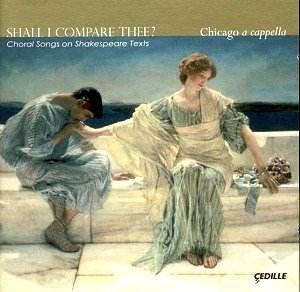
Shall I compare thee to a summer's day?
Shall I compare you to a summer's day?
Thou art more lovely and more temperate:
You are more lovely and more constant:
Rough winds do shake the darling buds of May,
Rough winds shake the beloved buds of May
And summer's lease hath all too short a date:
And summer is far too short:
Sometime too hot the eye of heaven shines,
At times the sun is too hot,
And often is his gold complexion dimm'd;
Or often goes behind the clouds;
And every fair from fair sometime declines,
And everything beautiful sometime will lose its beauty,
By chance or nature's changing course untrimm'd;
By misfortune or by nature's planned out course.
But thy eternal summer shall not fade
But your youth shall not fade,
Nor lose possession of that fair thou owest;
Nor will you lose the beauty that you possess;
Nor shall Death brag thou wander'st in his shade,
Nor will death claim you for his own,
When in eternal lines to time thou growest:
Because in my eternal verse you will live forever.
So long as men can breathe or eyes can see,
So long as there are people on this earth,
So long lives this and this gives life to thee.
So long will this poem live on, making you immortal.


ANALYSIS
temperate (1): i.e., evenly-tempered; not overcome by passion.
the eye of heaven (5): i.e., the sun.

every fair from fair sometime declines (7): i.e., the beauty (fair) of everything beautiful (fair) will fade (declines).

Compare to Sonnet 116: "rosy lips and cheeks/Within his bending sickle's compass come."
nature's changing course (8): i.e., the natural changes age brings.
that fair thou ow'st (10): i.e., that beauty you possess.
in eternal lines...growest (12): The poet is using a grafting metaphor in this line. Grafting is a technique used to join parts from two plants with cords so that they grow as one. Thus the beloved becomes immortal, grafted to time with the poet's cords (his "eternal lines"). For commentary on whether this sonnet is really "one long exercise in self-glorification", please see below.
Sonnet 18 is the best known and most well-loved of all 154 sonnets. It is also one of the most straightforward in language and intent. The stability of love and its power to immortalize the poetry and the subject of that poetry is the theme.
The poet starts the praise of his dear friend without ostentation, but he slowly builds the image of his friend into that of a perfect being. His friend is first compared to summer in the octave, but, at the start of the third quatrain (9), he is summer, and thus, he has metamorphosed into the standard by which true beauty can and should be judged.
من موقع :
شرح اخر
1. Shall I compare thee to a summer's day?

This is taken usually to mean 'What if I were to compare thee etc?' The stock comparisons of the loved one to all the beauteous things in nature hover in the background throughout. One also remembers Wordsworth's lines: 

We'll talk of sunshine and of song,
And summer days when we were young, 
Sweet childish days which were as long
As twenty days are now.
Such reminiscences are indeed anachronistic, but with the recurrence of words such as 'summer', 'days', 'song', 'sweet', it is not difficult to see the permeating influence of the Sonnets on Wordsworth's verse.
2. Thou art more lovely and more temperate:
The youth's beauty is more perfect than the beauty of a summer day. more temperate - more gentle, more restrained, whereas the summer's day might have violent excesses in store, such as are about to be described.
3. Rough winds do shake the darling buds of May,

May was a summer month in Shakespeare's time, because the calendar in use lagged behind the true sidereal calendar by at least a fortnight. 

darling buds of May - the beautiful, much loved buds of the early summer; favourite flowers.
4. And summer's lease hath all too short a date:
Legal terminology. The summer holds a lease on part of the year, but the lease is too short, and has an early termination (date).
5. Sometime too hot the eye of heaven shines,

Sometime = on occasion, sometimes; 

the eye of heaven = the sun.
6. And often is his gold complexion dimmed,
his gold complexion = his (the sun's) golden face. It would be dimmed by clouds and on overcast days generally.
7. And every fair from fair sometime declines,
All beautiful things (every fair) occasionally become inferior in comparison with their essential previous state of beauty (from fair). They all decline from perfection.
8. By chance, or nature's changing course untrimmed:

By chance accidents, or by the fluctuating tides of nature, which are not subject to control, nature's changing course untrimmed. 

untrimmed - this can refer to the ballast (trimming) on a ship which keeps it stable; or to a lack of ornament and decoration. The greater difficulty however is to decide which noun this adjectival participle should modify. Does it refer to nature, or chance, or every fair in the line above, or to the effect of nature's changing course? KDJ adds a comma after course, which probably has the effect of directing the word towards all possible antecedents. She points out that nature's changing course could refer to women's monthly courses, or menstruation, in which case every fair in the previous line would refer to every fair woman, with the implication that the youth is free of this cyclical curse, and is therefore more perfect.
9. But thy eternal summer shall not fade,
Referring forwards to the eternity promised by the ever living poet in the next few lines, through his verse.
10. Nor lose possession of that fair thou ow'st,

Nor shall it (your eternal summer) lose its hold on that beauty which you so richly possess. ow'st = ownest, possess. 

By metonymy we understand 'nor shall you lose any of your beauty'.
11. Nor shall death brag thou wander'st in his shade,
Several half echoes here. The biblical ones are probably 'Oh death where is thy sting? Or grave thy victory?' implying that death normally boasts of his conquests over life. And Psalms 23.3.: 'Yea though I walk through the valley of the shadow of death I will fear no evil ' In classical literature the shades flitted helplessly in the underworld like gibbering ghosts. Shakespeare would have been familiar with this through Virgil's account of Aeneas' descent into the underworld in Aeneid Bk. VI.
12. When in eternal lines to time thou grow'st,

in eternal lines = in the undying lines of my verse. Perhaps with a reference to progeny, and lines of descent, but it seems that the procreation theme has already been abandoned. 

to time thou grow'st - you keep pace with time, you grow as time grows.
13. So long as men can breathe, or eyes can see,
For as long as humans live and breathe upon the earth, for as long as there are seeing eyes on the eart.
14. So long lives this, and this gives life to thee.
That is how long these verses will live, celebrating you, and continually renewing your life. But one is left with a slight residual feeling that perhaps the youth's beauty will last no longer than a summer's day, despite the poet's proud boast. 

من موقع :
شرح اخر من موقع سبارك نوت :
Summary
The speaker opens the poem with a question addressed to the beloved: “Shall I compare thee to a summer’s day?” The next eleven lines are devoted to such a comparison. In line 2, the speaker stipulates what mainly differentiates the young man from the summer’s day: he is “more lovely and more temperate.” Summer’s days tend toward extremes: they are shaken by “rough winds”; in them, the sun (“the eye of heaven”) often shines “too hot,” or too dim. And summer is fleeting: its date is too short, and it leads to the withering of autumn, as “every fair from fair sometime declines.” The final quatrain of the sonnet tells how the beloved differs from the summer in that respect: his beauty will last forever (“Thy eternal summer shall not fade...”) and never die. In the couplet, the speaker explains how the beloved’s beauty will accomplish this feat, and not perish because it is preserved in the poem, which will last forever; it will live “as long as men can breathe or eyes can see.”
Commentary
This sonnet is certainly the most famous in the sequence of Shakespeare’s sonnets; it may be the most famous lyric poem in English. Among Shakespeare’s works, only lines such as “To be or not to be” and “Romeo, Romeo, wherefore art thou Romeo?” are better-known. This is not to say that it is at all the best or most interesting or most beautiful of the sonnets; but the simplicity and loveliness of its praise of the beloved has guaranteed its place.
On the surface, the poem is simply a statement of praise about the beauty of the beloved; summer tends to unpleasant extremes of windiness and heat, but the beloved is always mild and temperate. Summer is incidentally personified as the “eye of heaven” with its “gold complexion”; the imagery throughout is simple and unaffected, with the “darling buds of May” giving way to the “eternal summer”, which the speaker promises the beloved. The language, too, is comparatively unadorned for the sonnets; it is not heavy with alliteration or assonance, and nearly every line is its own self-contained clause—almost every line ends with some punctuation, which effects a pause.
Sonnet 18 is the first poem in the sonnets not to explicitly encourage the young man to have children. The “procreation” sequence of the first 17 sonnets ended with the speaker’s realization that the young man might not need children to preserve his beauty; he could also live, the speaker writes at the end of Sonnet 17, “in my rhyme.” Sonnet 18, then, is the first “rhyme”—the speaker’s first attempt to preserve the young man’s beauty for all time. An important theme of the sonnet (as it is an important theme throughout much of the sequence) is the power of the speaker’s poem to defy time and last forever, carrying the beauty of the beloved down to future generations. The beloved’s “eternal summer” shall not fade precisely because it is embodied in the sonnet: “So long as men can breathe or eyes can see,” the speaker writes in the couplet, “So long lives this, and this gives life to thee.”
من موقع :
شرح اخر :


::Analysis::


Shakespeare’s eighteenth sonnet is, perhaps, one of the best-known sonnets contained in the English literary canon.

It is a conventional Shakespearean sonnet that explores conventional themes in an original way. 

With characteristic skill Shakespeare uses the sonnet to exalt poetry and his beloved.


The first quatrain introduces the primary conceit of the sonnet, the comparison of the speaker’s beloved to a summer’s day. 

In the first line the speaker introduces the comparison of his beloved to a summer’s day. 
The speaker then builds on this comparison when he writes, 
“Thou art more lovely and more temperate” (2) because he is describing his beloved in a way that could also describe summer. 
When he describes “rough winds [that] do shake the darling buds of May,” 
(3) he is using rough winds as a metaphor for capricious chance and change, 
and he implies that his beloved does not suffer from these winds as summer does. 
The first quatrain, therefore, introduces a comparison that is expanded upon by the remaining two quatrains.


The second quatrain strengthens the comparison of the beloved to a summer’s day. 

The speaker anthropomorphizes the sky, or “heaven,” (5) by using the metaphor of an “eye”
(5) for the sun so that the comparison between a person and a season becomes vivid. 
By assigning heaven an “eye,” the speaker invokes the image of his beloved’s eyes. 
Similarly, in the next line when the speaker mentions that summer’s “gold complexion” is often “dimmed,” (
6) he is attempting to compare another human attribute of his beloved with some trait of summer. 
The second quatrain presents summer as possessing only mutable beauty.


The third quatrain no longer focuses on the mutability of summer, but it speaks of the nearly eternal nature of the memory of the beloved. 

When the speaker assures his beloved that her “eternal summer shall not fade,”


(9) he is using summer as a metaphor for her beauty.

Using the word “fade” facilitates the comparison of the abstract notion of a summer’s day to the concrete person of the beloved because fading is a quality of light. 
Similarly, when the speaker writes of the beloved entering the “shade” (10) of death, he is expanding on the use of the metaphor and reinforcing the poem’s primary conceit.


When the speaker boasts that his beloved will not suffer the same fate as a summer’s day because he has committed her to “eternal lines,” (12) he adds the theme of poetry itself to a sonnet that had previously been a love poem. 

Shakespeare gives his beloved immortality through poetry that God did not give to a summer’s day.


The couplet concludes the sonnet by tying together the themes of love and poetry. 

In it the speaker starkly contrasts the life spans of his poem and his beloved’s memory to the fleeting nature of a summer’s day. 
He boasts that, unlike a summer’s day, his poetry and the memory of his beloved will last “so long as men can breathe or eyes can see” (13). 
This last comparison provides a stark contrast to the time period, “a summer’s day,” (1) introduced at the beginning and exalts poetry along with the beloved.


Shakespeare used a conventional form of poetry to praise poetry and his beloved.

He boasted that both would be preserved nearly eternally. Five hundred years later, no one refutes his boast.
-------------------

هذه هى القصيدة رقم
18 الشهيرة التى يبدأ فيها شكسبير بعقد مقارنة بين جمال محبوبته واعتدال الجو فى
يوم من أيام الصيفالأنجليزى ثم ينكر هذه المقارنة لأن الصيف
فصل متقلب وينتهى الىان محبوبته تكسر حدود الزمن لأن الشاعر قد
خلدها فى قصيدته
التى لابد أن يكتب لها الخلود فى رأيه وأن
ينشدها الناس على مر الزمان.ولتلك القصيدة ترجمتانالترجمة الأولى

ألا تشبهين صفاء المصيف
بل أنت أحلى وأصفى سماء
ففى الصيف تعصف ريح الذبول
وتعبث فى برعمات الربيع
ولا يلبث الصيف حتى يزول
وفى الصيف تسطع عين السماء
ويحتدم القيظ مثل الأتون
وفى الصيف يحجب عنا السحاب
ضيا السما وجمال ذكاء
وما من جميل يظل جميلا
فشيمة كل البرايا الفناء
ولكن صيفك ذا لن يغيب
ولن تفتقدى فيه نور الجمال
ولن يتباهى الفناء الرهيب
بأنك تمشين بين الظلال
اذا صغت منك قصيد الأبد
فمادام فى الأرض ناس تعيش
ومادام فيها عيون ترى
فسوف يردد شعرى الزمان
وفيه تعيشين بين الورى

والترجمة الثانية لفطينه النائب- من كتاب فن
الترجمة- للدكتور صفاء خلوصى-

1986

من ذا يقارن حسنك المغرى بصيف قد تجلى
وفنون سحرك قد بدت فى ناظرى أسمى وأغلىتجنى الرياح العاتيات على البراعم وهى جذلى

والصيف يمضى مسرعا اذ عقده المحدود ولى
كم أشرقت عين السماء بحرها تلتهب
ولكم خبا فى وجهها الذهبى نور يغرب
لابد للحسن البهى عن الجميل سيذهب
فالدهر تغير واطوار الطبيعة قلب
لكن صيفك سرمدى ما اعتراه ذبول
لن يفقد الحسن الذى ملكت فيه بخيل
والموت لن يزهو بظلك فى حماه يجول
ستعاصرين الدهر فى شعرى وفيه أقول:
ما دامت الأنفاس تصعد والعيون تحدق
سيظل شعرى خالداً وعليك عمراً يغدق


Twitter Delicious Facebook Digg Stumbleupon Favorites More

 
www.hypersmash.com