www.hypersmash.com

تابعنا على شبكاتنا الإجتماعية

This is default featured post 1 title

Go to Blogger edit html and find these sentences.Now replace these sentences with your own descriptions.This theme is Bloggerized by Lasantha Bandara - Premiumbloggertemplates.com.

This is default featured post 2 title

Go to Blogger edit html and find these sentences.Now replace these sentences with your own descriptions.This theme is Bloggerized by Lasantha Bandara - Premiumbloggertemplates.com.

This is default featured post 3 title

Go to Blogger edit html and find these sentences.Now replace these sentences with your own descriptions.This theme is Bloggerized by Lasantha Bandara - Premiumbloggertemplates.com.

This is default featured post 4 title

Go to Blogger edit html and find these sentences.Now replace these sentences with your own descriptions.This theme is Bloggerized by Lasantha Bandara - Premiumbloggertemplates.com.

This is default featured post 5 title

Go to Blogger edit html and find these sentences.Now replace these sentences with your own descriptions.This theme is Bloggerized by Lasantha Bandara - Premiumbloggertemplates.com.

Showing posts with label SONNET 18. Show all posts

Thursday, April 25, 2013

John Keats Ode to Autumn summary and analysis


John Keats Ode to Autumn
Type of Work
......."To Autumn" is a romantic ode, a dignified but highly lyrical (emotional) poem in which the author speaks to a person or thing absent or present. In this famous ode, the speaker addresses autumn personified while developing his theme. The romantic ode was at the pinnacle of its popularity in the nineteenth century. It was the result of an author’s deep meditation on his subject. 
.......The romantic ode evolved from the ancient Greek ode, written in a serious tone to celebrate an event or to praise an individual. The Greek ode was intended to be sung by a chorus or by one person. The odes of the Greek poet Pindar (circa 518-438 BC) frequently extolled athletes who participated in games at Olympus, Delphi, the Isthmus of Corinth, and Nemea. Bacchylides, a contemporary of Pindar, also wrote odes praising athletes. 
.......The Roman poets Horace (65-8 BC) and Catullus (84-54 BC) wrote odes based on the Greek model, but their odes were not intended to be sung. In the nineteenth century, English romantic poets wrote odes that retained the serious tone of the Greek ode. However, like the Roman poets, they did not write odes to be sung. Unlike the Roman poets, though, the authors of nineteenth-century romantic odes generally were more emotional in their writing. 
Composition and Publication Dates
.......John Keats completed "To Autumn" in September 1819. The London firm of Taylor and Hessey published the ode in 1820 as part of a collection entitled Lamia, Isabella, The Eve of St Agnes, and Other Poems.
Source of Inspiration
.......Keats explained the source of inspiration for "To Autumn" in a letter to John Hamilton Reynolds (1794-1852), a friend and fellow poet. Keats wrote,
How beautiful the season is now—How fine the air. A temperate sharpness about it. Really, without joking, chaste weather—Dian skies—I never liked stubble-fields so much as now—Aye better than the chilly green of the spring. Somehow, a stubble-field looks warm—in the same way that some pictures look warm. This struck me so much in my Sunday's walk that I composed upon it. (quoted in Stephens 917)
Work Cited
Stephens, James; Edwin L. Beck, and Royall H. Snow. English Romantic Poets. New York: American Book Company, 1961.


Themes
Season of Fruition
.......Autumn is the season of fruition. It yields the bounty that sustains life—grapes, apples, pumpkins, squash, nuts, and honey—and fills the granaries with the field harvest. Then, to the mournful sound of gnats riding the wind, the sun sets on the season and “gathering swallows twitter in the skies.”
.......People also bear fruit—children, poems, scientific and technological advancements. They teach, build, heal, entertain, and advocate for change; they give time and money.  And then they fall asleep on a furrow as “barrèd clouds bloom the soft-dying day  / And touch the stubble-plains with rosy hue.”
Contentment
.......Because autumn is a season of fulfillment, when the fruits of labor abound, it is also a season of contentment. Personified autumn reflects this contentment when it sits 
                  careless on a granary floor, 
Thy hair soft-lifted by the winnowing wind; 
Or on a half-reap'd furrow sound asleep,
Drowsed with the fume of poppies (lines 14-16)
End Rhyme
.......The end rhyme of the first stanza is abab cde dcce. The end rhyme of the second and third stanzas is abab cde cdde.
Internal Rhyme
.......The poem also contains internal rhyme. Here are examples. 
To swell the gourd, and plump the hazel shells (line 7)
Until they think warm days will never cease (line 10)
Who hath not seen thee oft amid thy store? (line 12)
Thy hair soft-lifted by the winnowing wind (line 15)
Or on a half-reap'd furrow sound asleep (line 16)
Drowsed with the fume of poppies, while thy hook (line 17)
And sometimes like a gleaner thou dost keep (line 19)
Meter
.......The meter of the poem is iambic pentameter, as the second line demonstrates. 
........1.....................2...............3..............4..............5
Close BOS,..|..om-FRIEND..|..of THE..|..ma TUR..|..ing SUN
http://cummingsstudyguides.net/Guides8/Up.gif
Text of the Poem
 
Season of mists and mellow fruitfulness, 
Close bosom-friend of the maturing sun; 
Conspiring with him how to load and bless 
With fruit the vines that round the thatch-eaves run; 
To bend with apples the moss'd cottage-trees,      
And fill all fruit with ripeness to the core; 
To swell the gourd,1 and plump the hazel2 shells 
With a sweet kernel;3 to set budding more, 
And still more, later flowers for the bees
Until they think warm days will never cease; 
For Summer has o'erbrimm'd their clammy cells.4................ 11
Who hath not seen thee5 oft amid thy store?6
Sometimes whoever seeks abroad may find 
Thee sitting careless on a granary floor, 
Thy hair soft-lifted by the winnowing wind
Or on a half-reap'd furrow sound asleep,7
Drowsed with the fume of poppies, while thy hook 
Spares the next swath and all its twinèd flowers: 
And sometimes like a gleaner8 thou dost keep 
Steady thy laden head across a brook; 
Or by a cyder-press,9 with patient look, 
Thou watchest the last oozings, hours by hours.................... 22
Where are the songs of Spring? Ay, where are they? 
Think not of them, thou hast thy music too,— 
While barrèd clouds bloom the soft-dying day 
And touch the stubble-plains with rosy hue; 
Then in a wailful choir the small gnats mourn
Among the river-sallows,10 borne aloft 
Or sinking as the light wind lives or dies; 
And full-grown lambs loud bleat from hilly bourn;11  
Hedge-crickets sing; and now with treble soft
The redbreast whistles from a garden-croft;12
And gathering swallows twitter in the skies........................... 33

.
.
Notes
.
1.....gourd: Plant family that includes pumpkins, melons, cucumbers, and squash.
2.....hazel: Having to do with trees and shrubs that produce edible nuts, such as hazelnuts (filberts). 
3.....kernel: Nut inside a hazel shell. Hazel shells are referred to in line 7.
4.....their clammy cells: Hexagonal-shaped wax cells that make up a beehive.
5.....thee: Autumn personified.
6.....store: granary; storehouse.
7.....Thy hair . . . asleep: Autumn personified is seen one moment in the granary and in another moment asleep in a field.
8.....gleaner: Gatherer of grains.
9.....cyder- press: Cider press, a machine that extracts juice from apples. The juice is used to make cider.
10...wailful choir . . . sallows: The choir of gnats provides the music referred to in line 24. The gnats' song is a dirge signaling the end of autumn. A sallow is a willow tree. 
11...bourn: boundary.
12...croft: Small plot of land.
.
http://cummingsstudyguides.net/Guides8/Up.gif
Figures of Speech
.......Following are examples of figures of speech in the poem. (For definitions of figures of speech, click here.)
Alliteration
Season of mists and mellow fruitfulness (line 1)
Conspiring with him how to load and bless (line 3)
With a sweet kernel to set budding more (line 8)
Who hath not seen thee oft amid thy store? (line 12)
Apostrophe
Who hath not seen thee oft amid thy store?  (lines 12)
The speaker addresses autumn.
Assonance
And sometimes like a gleaner thou dost keep (line 19)
Metaphor
                   later flowers for the bees, 
Until they think warm days will never cease
Comparison of bees to humans. (Only humans can think.)
Personification
Season of mists and mellow fruitfulness, 
Close bosom-friend of the maturing sun; 
Conspiring with him how to load and bless 
With fruit the vines that round the thatch-eaves run (lines 1-4)
Comparison of autumn and the sun to persons
Then in a wailful choir the small gnats mourn (line 27)
Comparison of gnats to humans. (Only humans can mourn.)

Monday, April 22, 2013

خصائص برج الثور

 برج الثور (20 ابريل - 20 مارس)
يعتبر هذا البرج مؤنثا، وهو من أبراج الارض، يتكلم سريعا، حلو الكلام، عظيم المنفعة لاهله وذويه عزيز عليهم وأكثر كده وتعبه لغيره..
شريف يمكن الوثوق به ويتكل في الدرجة الأولى على عمله، يعرف قيمته وقيمة الآخرين. طبيعة الثور ترابية .

قلبه أنغام دافئة وعقله تاريخ حافل .
برج الثور الترابي الأول في دائرة الأبراج الترابية .

يقع تحت تأثير كوكب الزهرة أو فينوس كوكب الحب والجمال والفن والجاذبية الجنسية الذي يضفي عليه ميلا إلى الفنون، حب الحياة ومسراتها.

ان اسهل طريقة نتعرف بها الى احد مواليد برج الثور الاصغاء الى حديثه فاذا بدا مقتضبا مقتصرا علي كلمتين نعم ولا ورافق ذلك في الوقت نفسه هدوء في الملامح وبأس في المظهر العام أمكننا التاكيد انه ينتمي حقا الى ذلك البرج العظيم.

انه رمز الصمود بكل مافي الكلمة من معنى يقف في وجه الصدمات والعقبات كالجبل الاشم منتصب القامة مكتوف الذراعين مطبق الشفتين لا يحرك ساكنا ولا يتزحزح قيد شعرة عن الطريق الذي اختاره لنفسه قلما يرد على الهجمات بمثلها اقصى مناه ان يترك لشانه صبور كثير الاحتمال يتظاهر بالبرود التام وقتا طويلا ثم ينفجر لاتفه الاسباب حاله حال القشة في كوب ملآن من الخير عندئذ لمسبب العاصفة ان يختفي من دربه لان مولود برج الثور يهيج بين الحين والاخرهيجانا مريعا يجعله يندفع كالمجنون حاملا الخراب والدمار لكل من يعترض سبيله انه في تصرفه اشبه بالثور الذي يحمل اسمه .

الاستقرار هذه هي الكلمة الاساس من حياة الثور .
نجد عنده شيئا من الرومانسية .
ليست رومانسية الميزان المرهفة ولا رومانسية الحوت الحالمة ولا رومانسية العقرب الغامضة .
انما هي رومانسية القرن الثامن عشر التي تأخذنا الى قصص الحب الرائعه .
فالثور انسان تقليدي وهو يعلق اهمية على الوعد والمواعيد .
فلايعد قبل التأكد من امكانية التحقيق ولا يؤكد الا بعد الدرس والتمحيص .
لطيف وحنون عاطفي يحتاج للشعور بالحب لكنه تملكي .
مواليد برج الثور عنيدون جدا بطبيعتهم و أغلبهم لا يعتبرون أنفسهم كذلك و يرون أن العناد هو مجرد شكل من أشكال الثقة بالنفس و الحزم و العقلانية و الحكمة والمنطق . الرجل و المرأة الثور من الصعب بل من المستحيل أحيانا تحويلهم عن خط سيرهم و لا سيما قناعاتهم حول كل أمر. مولود الثور صادق بإخلاصه للعائلة و الأصدقاء بشكل غير محدود و مثيرون ، من مواليد برج الثور ينالون ميداليات علمية و فنية و رياضية و مهنية تقديرا على أعمالهم المتميزة و الاستثنائية النادرة و عزيمتهم التي لا تلين تحت صدمات القدر و ضربات المصير فعناده في الحقيقة تصميم و ثقة و ليس مشاكسة.

مولود الثور عاطفي وحنون، مثالي، دافئ القلب، فنان بطبعه، مرح يحب ملذات الحياة وبإمكانه خلق سعادة كبيرة من فرصة صغيرة، وان لم تسمح له ظروف الحياة بإرضاء تطلعاته البسيطة يشعر بالمرارة ويتحول إلى إنسان حسود وغيور صبور أمام المصاعب يتمتع بصبر عظيم فمن المستحيل ان تغضبه بسهوله وبقربه تشعر بالطمأنينة .
ولكن حاذر دفعه الى الهاوية اذ ذاك سوف تجابه الثور الهائج وثورته خطرة وعنيفة .
ماالذي يغضبه؟
ان تعلن استقلاليتك عنه وان تنكث بالوعد او ان تهدد استقراره المادي.

مولود الثور هو مزارع ناجح أو تاجر جيد أو مدير بنك لامع و كلها تعكس عمل وجهد و انشغال متواصل فهو يكره الفراغ و البطالة و هدر الوقت و تبديد الحياة و هو يعشق حياة المزارعين و الفلاحين و القرى و الطبيعة. مولود الثور شديد التشبث برأيه و قناعاته و لا يستطيع أحد تغيير صلابة رأسه أو تبديل رأيه ، مولود الثور مخلوق مسالم الى أقصى الحدود و سعيد في هدوئه يكره الثور ضجيج المدينة و يعشق الأرض و الطبيعة و يحب شرفة واسعة للمنزل يستطيع أن يملأها بالزهور و تضايقه الأماكن المزدحمة و يحب الحدائق و الرحلات و النزهات.
يحب الثور المهن اليدوية والصناعية التي تتطلب العمل اليدوي. يمكن الاعتماد على الثور بسهولة، كما أنه عملي، منهجي وطموح. خُلق للوظائف الروتينية التي تتطلب الثقة وتحمل المسئولية.
يمتاز الثور بالإبداع وأنه قادر على تأسيس المشاريع الضخمة. منتج ويعتمد على نفسه وليس على الآخرين.
بعض مواليد الثور لديهم موهبة الغناء.

الثور متهم بأنه غير ميال للجنس الآخر و الحقيقة أنه لا يحب مطاردة من استهواهم بل يفضل إغواء من استهواهم فيأتون اليه للفوز به

الرجل في برج الثور :
رزين قليل الحركة بطيء التفكير من النادر ان يقع في الحب من اول نظرة لكن متى استقر رأيه وتأكدت له حقيقة شعوره اندفع نحو مصدر الهامه وحبه بكل ما يملك من قوة وحيلة ووسائل
يهوىالريف والطبيعةكما يحب المطالعةيقوم بدور الوالد على اكمل وجه فهو يعتز بابنائه وهو صبور طويل البال دؤوب كثير العمل يحتاج الى الراحة بين الحين والاخر فاذا لم يجدها اصبح قلقا عصبي المزاجانه بطيء ولكنه غير كسول اذا اردت فعلا اسعاده عليك ان تخصه بمقعد وثير يؤمن له الراحة والاسترخاء وتحيطه بجو ساكن وتغطي جسمه بغطاء ناعم لان من طبع هذا الانسان حب الاشياء ذات الملمس الناعم

ذاكرته قوية تعاقب أو تكافئ من لم يخيب أمله أو خان ثقته، لا يقبل أن يفرض عليه أمر أو إرادة وان أخطأت بحقه أو تصرفت بعكس إرادته يتحول إلى شخص عنيد متشبث برأيه ويتطلب الأمر الكثير من الدبلوماسية والعاطفة والحنان ليغير رأيه.. عواطفه وتجاربه تبني شخصيته، متعلق بالماضي وذكريات طفولته خصوصا تلك المرتبطة بعلاقته بأمه، تلعب دورا هاما في توجيه حياته بطريقة مباشرة أو لاشعورية. يعمل باستمرار من أجل المستقبل لا يقوم بأي مخاطرة بإمكانها وضع عائلته أو ميزانيته في خطر، يبحث عن الاستقرار والطمأنينة في إطار الأمان العائلي والمادي.. معروف عنه أنه روتيني وتصبح عاداته جزءا من حياته اليومية.

يرتاح للتقاليد ويرغب في عدم تغيير عاداته، ينظر إلى ما هو جديد ومتطور بقدر اقتناعه به ويوظف ما يعجبه منه لصالحه. يتمتع بإدراك قوي وبعد نظر، صاحب حيلة ودهاء، عملي يتجه نحو نتائج مضمونة وواضحة، وهو موهوب للنجاح المادي، يعرف توجيه قواه وتحريكها، صاحب قدرة كبيرة على التنظيم ويتمتع بموهبة خارقة لتنفيذ الأفكار التي يعجز عنها الآخرون. وفيّ بطبيعته وعاشق كبير، صادق في عاطفته، لديه القدرة على إشعار المرأة بأنها تمتلك أنوثة طاغية ويعتبرها شيئا رائعا جديرا بالرعاية والاهتمام.. يبقى مخلصا في علاقته طالما الشريك يمنحه الثبات والطمأنينة التي يحتاج إليها كما يرغب بأن تجمع المرأة في شخصيتها الناحية التقليدية تجاه ثوابت الحياة والناحية المتحررة بشكل نسبي.

عاطفي ويحب التملك ويعشق الملذات الجسدية، الحب يأخذ مكانة كبيرة في حياته، يسعى إلى علاقة مستديمة تنتهي بالزواج، وإذا احب كان صادقا في حبه، ويسعى إلى امرأة تعرف قيمة المال، متطلب في حبه لكنه لا يعطي مقابل ما يطلبه، إذا احب امرأة ذات ماض، فمن الأفضل ألا تبوح أمامه به. جذاب محبوب من الجنس الآخر، عاشق، ناجح، حساس شهواني بطبعه.. حاسة اللمس قوية جدا لديه، الموسيقى تثر عواطفه، وتنقله إلى أجواء الحب والعشق، لا يدع حبيبته وحيده بل يحيطها بعواطفه وخدماته، في عيد ميلاد حبيبته ينتقي أغلى الهدايا ويفرح بتقديمها إليها، لا ينسى أبدا تاريخ اليوم الذي رأى فيه حبيبته لأول مرة، ولا ينسى أي مناسبة تخصها.

زوج كريم شريف يعامل زوجته معاملة حسنة، لا يتذمر إذا اشترت أغلى الملابس وأغلى العطور، يحترم زوجته كثيرا لكن عليها ألا تغضبه لانه سيتحول إلى رجل صلب وعنيد. يحب البيت وينشد فيه الراحة والهدوء، الحياة العائلية تستهويه، زوجته وأولاده بالنسبة إليه شيء مقدس، يحاول ان يقدم حياة رغيدة وسعيدة لزوجته وفي المقابل لا يطلب منها سوى أن تهبه نفسها وتكون مخلصة له، يطلب من زوجته الاهتمام بأطفاله، وان تنتبه لذوقه وتطعمه جيدا. الحياة سهلة معه، مرح جدا خاصة عندما يكون سعيدا وأمامه طاولة عامرة ورفقاء يرتاح إليهم.. معدته هي اقرب الطريق إلى قلبه لذلك على زوجته أن تهتم بتقديم الطعام الذي يحبه.

له لذه في لعب دور الرجل القوي فالبطل القوي الصامد كهرقل يمثل احدى صوره .
غالبا مايتمتع بجاذبية اخاذه وبتصرفات انيقة ساحرة وبحضور مميز .
انيق هو هذا الرجل .
اذا كنتي تفضلين اللباقة والمراوغة وشفافية التصرف فابحثي عن الميزان او العقرب او الحوت .
اما بساطة الثور فقد تفقدك صوابك .
حاذري ان تخوني مولود الثور ولا تنتظري منه السماح .
لن يفهم الثور العابك ومحاولتك لفت نظر رجل اخر .
فهو يتصر كالثور المثقل بالجروح التائه الجامح .
ان هذا الرجل يصبو الى حب دائم فاذا شعر بالخطر يطردك الى غير رجعة .
قد ينساك اجل لكنه لن يسامحك قط .
بعض رجال الثور يتهمون بالكسل.


ابراج ماغي,جاكلين,اعرف برجك,عالم ابراج,برج العقرب,ابراهيم حزبون,برج الاسد,برج السرطان,برج القوس,برج الميزان,برج الدلو,برج الثور,برج العذراء,ابراج ابراهيم حزبون,ابراج 2013,ابراج 2012

المرأة في برج الثور :
اذا كانت هناك كلمة تعبر عن طبيعة امرأة برج الثور فهي الكفاءة لأن قدرتها العجيبة تبدو وكأنها تطال النجوم عندها من الصبر والاحتمال مايثير العجب ومن الهدوء والبرود ما يفتقر اليه الكثيرون من الرجال .
اذا اضطرت الى تحمل المسؤولية قامت بواجبها على اتم وجه ومع ذلك قلما تتمنى ذلك لأن عندها من الانوثة الشيء الكثيروهذا ما يجعلها تحن الى رجل قوي يدير عنها دفة القيادة غيرتها لا تثار بسهولة فمن الجائز ان تغض الطرف اذا مازح حبيبها غيرها من النساء لكن الويل له اذا تخطى الحدود فقد تسقط الاقنعة في تلك اللحظة ويتحول الملاك العذب الى زوبعة ناطقة.

ذكية فطنة لا تهمها الشهادات العالية بقدر ما تهمها المعرفة وسعة الاطلاع ولهذا نجدها واقفة على المباديء الاساسية لكل مادة وتاركة لغيرها التعقيدات انها مثال المرأة العملية التي تحمل رأسها بين كتفيها وتقف على الارض الصلبة فحواسها هي التي تعمل اذن فمن الطبيعي ان تكره الازهار الاصطناعية ولذلك فللروائح الكريهه تأثير عكسي فيها انها تحب كل ما يذكرها بالطبيعة.

سفيرة الحب تحلم بالحب العميق.
عاطفية وعملية تتمتع بمهارة كبيرة في الوظائف التنفيذية والإدارية والمسائل المالية.

قاسية على نفسها في العمل، بطيئة بعض الشيء ولكنها حازمة ولا تهمل أي شاردة أو واردة تميل إلى مختلف الفنون تجذبها الأضواء ومراكز النفوذ جذابة مرهفة الحس، مرحة تستقطب القلوب بسهولة، صديقة وفية، اجتماعية بطبعها، أحيانا هي فوضوية ومشاكسة وفي أحيان أخرى هادئة ورزينة.

طفولتها المنطبعة في ذاكرتها تترك أثرا ظاهرا في تصرفاتها فقد تحب وتكره في الوقت نفسه وقد تعطي بحب وعطاء، كل ذلك مرتبط بمدى شعورها بالاستقرار أو حاجتها إليه.

لا ترضى عن الحب بديلا وان أحبت فهي تحب إلى الأبد طالما الآخر على مستوى آمالها وقد تكون المرأة الثور اكثر النساء غموضا في علاقات الحب.

ليست من النوع السهل استمالته وتهب للرجل الذي تختاره اعمق العواطف وهي اقرب إلى الطراز التقليدي والمثالي رغم مزاجيتها المتقلبة، تعرف في كل وقت ماذا تريد من الحياة وتختار منها ما يلائمها.

يستهويها لفت الأنظار وجذب المعجبين وحاجتها إلى الحنان كبيرة فهو السبيل الوحيد لشعورها بالاستقرار والطمأنينة وهي كزميلها الثور الأمان العائلي والمادي من أهم ركائز استقرارها.

المولودة في شهر نيسان اكثر انفتاحا على الحياة واكثر مرونة من المولودة في شهر أيار مع العلم انه أمام حالة الغضب والعناد لا شيء يفرق بينهما.


ابراج ماغي,جاكلين,اعرف برجك,عالم ابراج,برج العقرب,ابراهيم حزبون,برج الاسد,برج السرطان,برج القوس,برج الميزان,برج الدلو,برج الثور,برج العذراء,ابراج ابراهيم حزبون,ابراج 2013,ابراج 2012

هي خلاصة الانوثة والعفوية المستحبه والنعومة والقوة والحكمة والصبر والتأجج العاطفي .
امراة جميلة جذابة انيقة تبحث عن لفت الانظار .
تهتم بشكلها الخارجي وتعي سحرها.
قد تبدأ معها علاقة عابرة ولكنها غالبا ماتتحول الى علاقة متينة اذ تهبك اهتماما وحبا نادرين .
هادئة تقليدية تكره المفاجآت اذا اردت السفر بلغها قبل ثلاثة اشهر وحاذر ان تغير رأيك .
المرأة هذه تصدق حرفية ماتقول وتثق بكلامك فاذا كنت ممن يبدلون اراءهم كما قمصانهم فالويل لك .
فكر مليا قبل ان تعدها بشيء حتى لاتغدو في نظرها انسانا كاذبا وحقيرا .
قد تكون قاضيا فاشلا في الحكم على التعقيدات النفسية والمشاكل السيكولوجية ولكن هي تنجح حيث تفشل الايديولوجيات والتنظير الميتافيزيقي فهي تعيد الاشياء الى واقعها الى التصاقها بالارض.

اخيرا ان اللطف العفوي عند هذه المرأة لابد ان يوقظ فيك الحنان.

فنانة تهوى الموسيقى والرسم والغناء وتزور المعارض والمتاحف تجيد لغة الاصابع وتتعرف من خلالها على جمال الاشياء تستهويها الاماكن الطبيعية وخصوصا تلك التي تدل على عظمة الخالق كشلال عظيم او بحيرة شاسعة.

تبقى متعلقة بالتقاليد والعادات التي الفتها في شبابها وهي تشعر بارتباط بحياة الريف بطبعهاالترابي.

دورها كأم عظيم وان كانت تجيد معاملة الاطفال في الصغر اكثر منهم في المراهقةبسبب تمسكها بالنظام وميلها لفرض الطاعةومن الاشياء التي لا تقبل التنازل عنها الترتيب والنظافة.

لا تعرف الميوعة او الشكوى اذا اضطربت اوضاع الاسرة نزلت الى ميدان العمل بصمت ورحابة صبرها علىالالام الجسدية والنفسية لا يصدق.

يجد الرجل في مولودة برج الثور شريكة عمر حقيقية فهي من النوع الذي يصبر على الشدائد يمكن الاعتماد عليه كما يعتمد على الساعة الدقيقةبيتها فسيح كقلبها انها الكفاءة كما ذكرنا.

مشاهير ينتمون لهذا البرج : 
فريد إستير ،ويليام شكسبير ، مالكولم إكس، سيجموند فرويد، باربرا سترايسند أنتوني كوين، ميشيل بفايفر ، جيمس ستيوارت، كارل ماركس، ليوناردو دافنشي، بيري كومو، شيرلي ماكلين، هنري فوندا، جاك نيكلسون، آل باتشينو، شيرلي تمبل شير.


ابراج ماغي,جاكلين,اعرف برجك,عالم ابراج,برج العقرب,ابراهيم حزبون,برج الاسد,برج السرطان,برج القوس,برج الميزان,برج الدلو,برج الثور,برج العذراء,ابراج ابراهيم حزبون,ابراج 2013,ابراج 2012

VERB FORMS – WHEN DO YOU USE THAT ONE ?


VERB FORMS – WHEN DO YOU USE THAT ONE


When you use the base form:                                               Examples

1.  As basic present in 1st and 2nd person                                I work              You work
2. As a second verb after “do” or modals                               I didn’t go       She will go
3.  In imperatives (commands)                                                Turn right        Stand up
4.  As a second verb in causatives (make, let, help, have)      I made her do it    Let me go
5.  As a second verb after suggest, recommend, insist, demand        I insist that she be there.


When you use the –s form:

1.  As a first verb only                                                                        She works        She doesn’t work
2.  In all present tenses when
 the subject is 3rd person singular                                That store sells good stuff.
                                                                                    The bird is singing right now.
                                                                                    My son has gone to the store.

When you use the present participle/gerund/-ing form

1.  As a second verb only                                                        I am talking     She likes cooking
2.  In a progressive tenses after “be”                                      I was driving when I heard it.
3.  When the meaning is “in process”                                     I saw it falling
4.  As a noun subject or object – name of activity                  Writing is hard.  My hobby is sewing.
5.  After certain verbs: admit, avoid, can’t stand, consider, deny, dislike, enjoy, feel like, finish, give up, imagine, keep (continue), mind (object to), miss, practice, prevent, prohibit, quit, recommend, resent, risk.


When you use the past form:

1.  As a first verb only                                                                        I didn’t go       She liked to swim
2.  When you mean a past finished event                               I worked yesterday


When you use the past participle form:

1.  As a second verb only
2.  In present perfect tense after “have”                                 I have eaten     I haven’t done it yet
3.  As an adjective                                                                  The broken window
4.  In passive voice after “be”                                                 I was born       My car was stolen
5.  In past and future perfect after “have”                              I had finished   I will have eaten

When you use the infinitive form:

1.  As a second verb only                                                        I plan to go      I learned to swim
2.  When you tell why (“infinitive of purpose”)                     Why did you go?  To see the doctor.
3.  As the name of the verb                                                     The verb “to be” is very difficult.
4.  As a noun subject or object                                                To eat right is very important.
                                                                                                            My fear is to die alone.

5.  After verbs: agree, ask, arrange, can’t afford, can’t wait, choose, decide, deserve, expect, fail, hesitate, hope, intend, learn, manage, mean, need, offer, plan, prefer, prepare, pretend, promise, refuse, seem, want, wish, would like


EXCEPTIONS
Note:  there are a few verbs that can be followed by either a gerund or infinitive with no major change in meaning.  These are:    begin, continue, like, love, hate, start and try.
I like cooking, I like to cook.  I start studying, I start to study.

A few verbs change meaning when you change from gerund to infinitive:
forget, remember, stop

Example:  I stop smoking (no more)               I stop to smoke (I take a break and go smoke)
            I remember locking the door (I did it and can remember it still.)   
I remember to lock the door (I think about it before I leave, so I always do it)
            I forgot locking the door (I did it, but didn’t remember that I did)
            I forgot to lock the door (I forgot first, so I didn’t lock it.


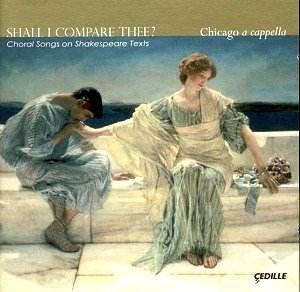
SONNET 18 PARAPHRASE + analysis + ترجمة للعربي


SONNET 18


PARAPHRASE
Shall I compare thee to a summer's day?
Shall I compare you to a summer's day?
Thou art more lovely and more temperate:
You are more lovely and more constant:
Rough winds do shake the darling buds of May,
Rough winds shake the beloved buds of May
And summer's lease hath all too short a date:
And summer is far too short:
Sometime too hot the eye of heaven shines,
At times the sun is too hot,
And often is his gold complexion dimm'd;
Or often goes behind the clouds;
And every fair from fair sometime declines,
And everything beautiful sometime will lose its beauty,
By chance or nature's changing course untrimm'd;
By misfortune or by nature's planned out course.
But thy eternal summer shall not fade
But your youth shall not fade,
Nor lose possession of that fair thou owest;
Nor will you lose the beauty that you possess;
Nor shall Death brag thou wander'st in his shade,
Nor will death claim you for his own,
When in eternal lines to time thou growest:
Because in my eternal verse you will live forever.
So long as men can breathe or eyes can see,
So long as there are people on this earth,
So long lives this and this gives life to thee.
So long will this poem live on, making you immortal.


ANALYSIS
temperate (1): i.e., evenly-tempered; not overcome by passion.
the eye of heaven (5): i.e., the sun.

every fair from fair sometime declines (7): i.e., the beauty (fair) of everything beautiful (fair) will fade (declines).

Compare to Sonnet 116: "rosy lips and cheeks/Within his bending sickle's compass come."
nature's changing course (8): i.e., the natural changes age brings.
that fair thou ow'st (10): i.e., that beauty you possess.
in eternal lines...growest (12): The poet is using a grafting metaphor in this line. Grafting is a technique used to join parts from two plants with cords so that they grow as one. Thus the beloved becomes immortal, grafted to time with the poet's cords (his "eternal lines"). For commentary on whether this sonnet is really "one long exercise in self-glorification", please see below.
Sonnet 18 is the best known and most well-loved of all 154 sonnets. It is also one of the most straightforward in language and intent. The stability of love and its power to immortalize the poetry and the subject of that poetry is the theme.
The poet starts the praise of his dear friend without ostentation, but he slowly builds the image of his friend into that of a perfect being. His friend is first compared to summer in the octave, but, at the start of the third quatrain (9), he is summer, and thus, he has metamorphosed into the standard by which true beauty can and should be judged.
من موقع :
شرح اخر
1. Shall I compare thee to a summer's day?

This is taken usually to mean 'What if I were to compare thee etc?' The stock comparisons of the loved one to all the beauteous things in nature hover in the background throughout. One also remembers Wordsworth's lines: 

We'll talk of sunshine and of song,
And summer days when we were young, 
Sweet childish days which were as long
As twenty days are now.
Such reminiscences are indeed anachronistic, but with the recurrence of words such as 'summer', 'days', 'song', 'sweet', it is not difficult to see the permeating influence of the Sonnets on Wordsworth's verse.
2. Thou art more lovely and more temperate:
The youth's beauty is more perfect than the beauty of a summer day. more temperate - more gentle, more restrained, whereas the summer's day might have violent excesses in store, such as are about to be described.
3. Rough winds do shake the darling buds of May,

May was a summer month in Shakespeare's time, because the calendar in use lagged behind the true sidereal calendar by at least a fortnight. 

darling buds of May - the beautiful, much loved buds of the early summer; favourite flowers.
4. And summer's lease hath all too short a date:
Legal terminology. The summer holds a lease on part of the year, but the lease is too short, and has an early termination (date).
5. Sometime too hot the eye of heaven shines,

Sometime = on occasion, sometimes; 

the eye of heaven = the sun.
6. And often is his gold complexion dimmed,
his gold complexion = his (the sun's) golden face. It would be dimmed by clouds and on overcast days generally.
7. And every fair from fair sometime declines,
All beautiful things (every fair) occasionally become inferior in comparison with their essential previous state of beauty (from fair). They all decline from perfection.
8. By chance, or nature's changing course untrimmed:

By chance accidents, or by the fluctuating tides of nature, which are not subject to control, nature's changing course untrimmed

untrimmed - this can refer to the ballast (trimming) on a ship which keeps it stable; or to a lack of ornament and decoration. The greater difficulty however is to decide which noun this adjectival participle should modify. Does it refer to nature, or chance, or every fair in the line above, or to the effect of nature's changing course? KDJ adds a comma after course, which probably has the effect of directing the word towards all possible antecedents. She points out that nature's changing course could refer to women's monthly courses, or menstruation, in which case every fair in the previous line would refer to every fair woman, with the implication that the youth is free of this cyclical curse, and is therefore more perfect.
9. But thy eternal summer shall not fade,
Referring forwards to the eternity promised by the ever living poet in the next few lines, through his verse.
10. Nor lose possession of that fair thou ow'st,

Nor shall it (your eternal summer) lose its hold on that beauty which you so richly possess. ow'st = ownest, possess. 

By metonymy we understand 'nor shall you lose any of your beauty'.
11. Nor shall death brag thou wander'st in his shade,
Several half echoes here. The biblical ones are probably 'Oh death where is thy sting? Or grave thy victory?' implying that death normally boasts of his conquests over life. And Psalms 23.3.: 'Yea though I walk through the valley of the shadow of death I will fear no evil ' In classical literature the shades flitted helplessly in the underworld like gibbering ghosts. Shakespeare would have been familiar with this through Virgil's account of Aeneas' descent into the underworld in Aeneid Bk. VI.
12. When in eternal lines to time thou grow'st,

in eternal lines = in the undying lines of my verse. Perhaps with a reference to progeny, and lines of descent, but it seems that the procreation theme has already been abandoned. 

to time thou grow'st - you keep pace with time, you grow as time grows.
13. So long as men can breathe, or eyes can see,
For as long as humans live and breathe upon the earth, for as long as there are seeing eyes on the eart.
14. So long lives this, and this gives life to thee.
That is how long these verses will live, celebrating you, and continually renewing your life. But one is left with a slight residual feeling that perhaps the youth's beauty will last no longer than a summer's day, despite the poet's proud boast. 

من موقع :
شرح اخر من موقع سبارك نوت :
Summary
The speaker opens the poem with a question addressed to the beloved: “Shall I compare thee to a summer’s day?” The next eleven lines are devoted to such a comparison. In line 2, the speaker stipulates what mainly differentiates the young man from the summer’s day: he is “more lovely and more temperate.” Summer’s days tend toward extremes: they are shaken by “rough winds”; in them, the sun (“the eye of heaven”) often shines “too hot,” or too dim. And summer is fleeting: its date is too short, and it leads to the withering of autumn, as “every fair from fair sometime declines.” The final quatrain of the sonnet tells how the beloved differs from the summer in that respect: his beauty will last forever (“Thy eternal summer shall not fade...”) and never die. In the couplet, the speaker explains how the beloved’s beauty will accomplish this feat, and not perish because it is preserved in the poem, which will last forever; it will live “as long as men can breathe or eyes can see.”
Commentary
This sonnet is certainly the most famous in the sequence of Shakespeare’s sonnets; it may be the most famous lyric poem in English. Among Shakespeare’s works, only lines such as “To be or not to be” and “Romeo, Romeo, wherefore art thou Romeo?” are better-known. This is not to say that it is at all the best or most interesting or most beautiful of the sonnets; but the simplicity and loveliness of its praise of the beloved has guaranteed its place.
On the surface, the poem is simply a statement of praise about the beauty of the beloved; summer tends to unpleasant extremes of windiness and heat, but the beloved is always mild and temperate. Summer is incidentally personified as the “eye of heaven” with its “gold complexion”; the imagery throughout is simple and unaffected, with the “darling buds of May” giving way to the “eternal summer”, which the speaker promises the beloved. The language, too, is comparatively unadorned for the sonnets; it is not heavy with alliteration or assonance, and nearly every line is its own self-contained clause—almost every line ends with some punctuation, which effects a pause.
Sonnet 18 is the first poem in the sonnets not to explicitly encourage the young man to have children. The “procreation” sequence of the first 17 sonnets ended with the speaker’s realization that the young man might not need children to preserve his beauty; he could also live, the speaker writes at the end of Sonnet 17, “in my rhyme.” Sonnet 18, then, is the first “rhyme”—the speaker’s first attempt to preserve the young man’s beauty for all time. An important theme of the sonnet (as it is an important theme throughout much of the sequence) is the power of the speaker’s poem to defy time and last forever, carrying the beauty of the beloved down to future generations. The beloved’s “eternal summer” shall not fade precisely because it is embodied in the sonnet: “So long as men can breathe or eyes can see,” the speaker writes in the couplet, “So long lives this, and this gives life to thee.”
من موقع :
شرح اخر :


::Analysis::


Shakespeare’s eighteenth sonnet is, perhaps, one of the best-known sonnets contained in the English literary canon.

It is a conventional Shakespearean sonnet that explores conventional themes in an original way. 

With characteristic skill Shakespeare uses the sonnet to exalt poetry and his beloved.


The first quatrain introduces the primary conceit of the sonnet, the comparison of the speaker’s beloved to a summer’s day. 

In the first line the speaker introduces the comparison of his beloved to a summer’s day. 
The speaker then builds on this comparison when he writes, 
“Thou art more lovely and more temperate” (2) because he is describing his beloved in a way that could also describe summer. 
When he describes “rough winds [that] do shake the darling buds of May,” 
(3) he is using rough winds as a metaphor for capricious chance and change, 
and he implies that his beloved does not suffer from these winds as summer does. 
The first quatrain, therefore, introduces a comparison that is expanded upon by the remaining two quatrains.


The second quatrain strengthens the comparison of the beloved to a summer’s day. 

The speaker anthropomorphizes the sky, or “heaven,” (5) by using the metaphor of an “eye”
(5) for the sun so that the comparison between a person and a season becomes vivid. 
By assigning heaven an “eye,” the speaker invokes the image of his beloved’s eyes. 
Similarly, in the next line when the speaker mentions that summer’s “gold complexion” is often “dimmed,” (
6) he is attempting to compare another human attribute of his beloved with some trait of summer. 
The second quatrain presents summer as possessing only mutable beauty.


The third quatrain no longer focuses on the mutability of summer, but it speaks of the nearly eternal nature of the memory of the beloved. 

When the speaker assures his beloved that her “eternal summer shall not fade,”


(9) he is using summer as a metaphor for her beauty.

Using the word “fade” facilitates the comparison of the abstract notion of a summer’s day to the concrete person of the beloved because fading is a quality of light. 
Similarly, when the speaker writes of the beloved entering the “shade” (10) of death, he is expanding on the use of the metaphor and reinforcing the poem’s primary conceit.


When the speaker boasts that his beloved will not suffer the same fate as a summer’s day because he has committed her to “eternal lines,” (12) he adds the theme of poetry itself to a sonnet that had previously been a love poem. 

Shakespeare gives his beloved immortality through poetry that God did not give to a summer’s day.


The couplet concludes the sonnet by tying together the themes of love and poetry. 

In it the speaker starkly contrasts the life spans of his poem and his beloved’s memory to the fleeting nature of a summer’s day. 
He boasts that, unlike a summer’s day, his poetry and the memory of his beloved will last “so long as men can breathe or eyes can see” (13). 
This last comparison provides a stark contrast to the time period, “a summer’s day,” (1) introduced at the beginning and exalts poetry along with the beloved.


Shakespeare used a conventional form of poetry to praise poetry and his beloved.

He boasted that both would be preserved nearly eternally. Five hundred years later, no one refutes his boast.
-------------------

هذه هى القصيدة رقم
18 الشهيرة التى يبدأ فيها شكسبير بعقد مقارنة بين جمال محبوبته واعتدال الجو فى
يوم من أيام الصيفالأنجليزى ثم ينكر هذه المقارنة لأن الصيف
فصل متقلب وينتهى الىان محبوبته تكسر حدود الزمن لأن الشاعر قد
خلدها فى قصيدته
التى لابد أن يكتب لها الخلود فى رأيه وأن
ينشدها الناس على مر الزمان.ولتلك القصيدة ترجمتانالترجمة الأولى

ألا تشبهين صفاء المصيف
بل أنت أحلى وأصفى سماء
ففى الصيف تعصف ريح الذبول
وتعبث فى برعمات الربيع
ولا يلبث الصيف حتى يزول
وفى الصيف تسطع عين السماء
ويحتدم القيظ مثل الأتون
وفى الصيف يحجب عنا السحاب
ضيا السما وجمال ذكاء
وما من جميل يظل جميلا
فشيمة كل البرايا الفناء
ولكن صيفك ذا لن يغيب
ولن تفتقدى فيه نور الجمال
ولن يتباهى الفناء الرهيب
بأنك تمشين بين الظلال
اذا صغت منك قصيد الأبد
فمادام فى الأرض ناس تعيش
ومادام فيها عيون ترى
فسوف يردد شعرى الزمان
وفيه تعيشين بين الورى

والترجمة الثانية لفطينه النائب- من كتاب فن
الترجمة- للدكتور صفاء خلوصى-

1986

من ذا يقارن حسنك المغرى بصيف قد تجلى
وفنون سحرك قد بدت فى ناظرى أسمى وأغلىتجنى الرياح العاتيات على البراعم وهى جذلى

والصيف يمضى مسرعا اذ عقده المحدود ولى
كم أشرقت عين السماء بحرها تلتهب
ولكم خبا فى وجهها الذهبى نور يغرب
لابد للحسن البهى عن الجميل سيذهب
فالدهر تغير واطوار الطبيعة قلب
لكن صيفك سرمدى ما اعتراه ذبول
لن يفقد الحسن الذى ملكت فيه بخيل
والموت لن يزهو بظلك فى حماه يجول
ستعاصرين الدهر فى شعرى وفيه أقول:
ما دامت الأنفاس تصعد والعيون تحدق
سيظل شعرى خالداً وعليك عمراً يغدق


Twitter Delicious Facebook Digg Stumbleupon Favorites More

 
www.hypersmash.com